
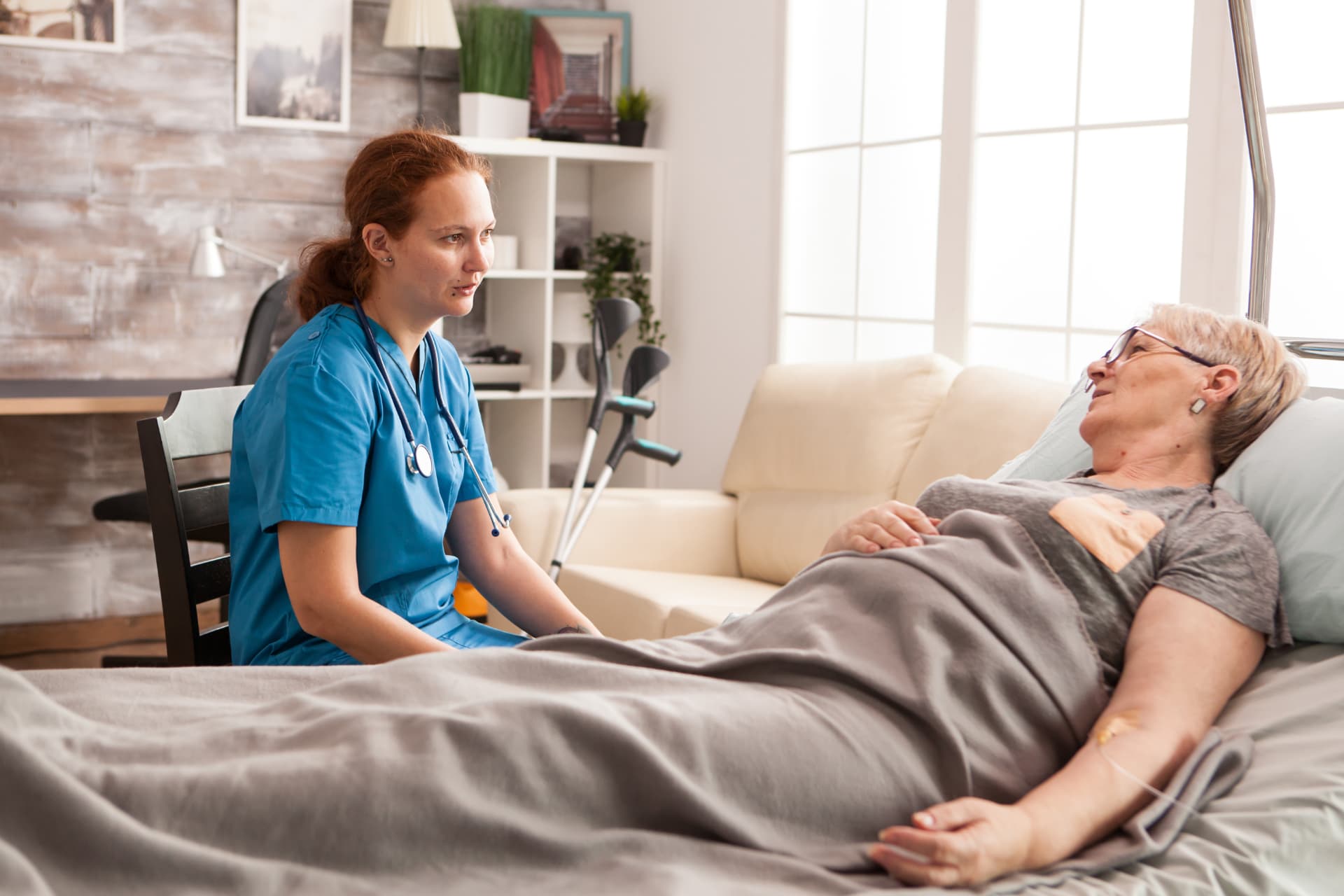
You've done the research. You've interviewed, asked the questions, and chosen a hospice. The agreement is signed.
Now what?
The first week of hospice brings its own surprises. Here are two things few people tell you: help takes time to arrive, and the caregiver's well-being matters as much as anyone's.
Help Doesn't Arrive the Moment You Sign
Imagine signing a hospice agreement at 5:30 on a Friday evening. Your loved one is in pain. You have questions. You expect someone at the door within the hour.
It rarely works that way.
Behind the scenes, a lot has to happen. The agreement must be approved. Records must transfer from the doctor or hospital. A nurse, an aide, and a social worker must be assigned and briefed. Medications and equipment must be ordered and delivered. For many families, a good part of the first week passes before everything is running smoothly.
This is one more reason to start hospice before things become extreme. Activating care while your loved one is still stable gives the system time to catch up.
In those first days:
- Get the 24-hour number and keep it by the phone. Ask what to do if you call at night.
- Ask when the first nurse visit will be, and who to call until then.
- Ask about a comfort kit: medications kept in the home for sudden pain, anxiety, or breathing trouble.
- Keep your doctor in the loop until hospice is fully in place, so pain relief doesn't fall through the gap.
- Write down every name as people are assigned. You'll be meeting many new faces.
The Caregiver Matters, Too
In the first week, every eye turns to the person who is dying: the nurses, the visitors, the phone calls, and your own heart. That is natural. But it means the person doing most of the caring is often the one no one asks about. And often you don't stop to think about yourself, either: how tired you are, whether you've eaten, or what you need to keep going.
So let this be said plainly: you are part of the care team. Your health, your rest, and your peace of mind matter. A caregiver who is exhausted, ill, or overwhelmed cannot give the comfort they long to give.
Caring for yourself takes nothing away from your loved one. It is how you make sure they still have you, present, steady, and able to love them, all the way to the end. Here is where that care begins.
You Did the Best You Could in That Moment
You will make many decisions in this season. About medications. About visitors. About hospital or home. Some will feel right. Some you will question later.
Whatever you decided, you made the best choice you could with what you knew and understood at that moment.
You may second-guess it later. You may learn something that would have changed your mind. That doesn't undo the truth: you did your best, then.
This is the conversation every caregiver needs to have with themselves. And when it fits, it is a conversation to have with your loved one, too. A daughter might put it this way, speaking to her mother afterward: "Mom, if I had known, I would have done it differently. But I did the best I could at that time. I'm sorry it didn't turn out better. Please know my heart was in the right place."
That is grace: the grace to keep going.
Keep Living
When my husband was dying, I kept my own doctor appointments. I even kept getting my hair cut. It took planning (someone else had to be there), but I did it.
That may sound small, but it mattered.
The person you are caring for wants to know you will make it through. They don't want you to give up your life for them, or to carry the burden of feeling they dragged you down.
Caring for yourself is part of loving them well. It means you have a healthy relationship with yourself, and that you can carry on with the life they would want for you.
The Sunset Ritual
For 50 years, my husband and I loved sunrises and sunsets together. Most evenings after dinner, we walked outside to watch the sky change color.
When he could no longer leave the house, I kept our ritual alive. Each evening, at about the same time, I walked down to the lake and took a picture of the sunset. Then I brought it back and showed it to him.
Those five minutes outside were mine. They were also ours. They were my way of honoring our life together, of saying, I loved every minute of it, and I will treasure every sunset we shared.
It meant a great deal to him. It still means a great deal to me today.
Let Your Humanness Come Through
The first week of hospice can feel like chaos: paperwork, phone calls, new faces, waiting. It is easy to become angry, frightened, or so exhausted that the days blur together.
But these final days still hold magic. A shared memory. A held hand. A photograph of the sky.
Care for yourself so you can be present for them. Forgive yourself so you can keep going. And let your love find new forms when the old ones are no longer possible.
(For more on staying close in this season, see how to comfort someone who is dying, and if you're running on empty, these signs of emotional exhaustion may feel familiar.)
A Reflection for You
- What decision are you still second-guessing? Can you tell yourself, I did the best I could in that moment?
- What one thing will you keep doing for yourself this week?
- What ritual have you and your loved one shared? How might you bring it to them now?
PREVIOUS IN THE SERIES
What Families Wish They'd Known About Hospice
START THE SERIES
The First Days
Questions families ask about the first week of hospice
How long does it take for hospice care to start at home?
Help rarely arrives the moment you sign. The agreement must be approved, records transferred, a nurse, aide and social worker assigned, and medications and equipment delivered. For many families, a good part of the first week passes before everything is running smoothly.
When should you call hospice?
Before things become extreme. Activating care while your loved one is still stable gives the system time to catch up.
What is a hospice comfort kit?
Medications kept in the home for sudden pain, anxiety, or breathing trouble. Ask your hospice about one in the first days.
What should families do in the first days of hospice?
Get the 24-hour number and keep it by the phone, ask when the first nurse visit will be and who to call until then, ask about a comfort kit, keep your doctor in the loop until hospice is fully in place, and write down every name as people are assigned.
How do I cope with caregiver guilt?
Whatever you decided, you made the best choice you could with what you knew at that moment. You may learn something later that would have changed your mind, but that doesn't undo the truth: you did your best, then.
Free for caregivers. The First Days Caregiver Kit puts a first-days checklist, a medication log, a vitals chart, a bedside handoff log and a hard-day card into one printable PDF. Get the free kit →